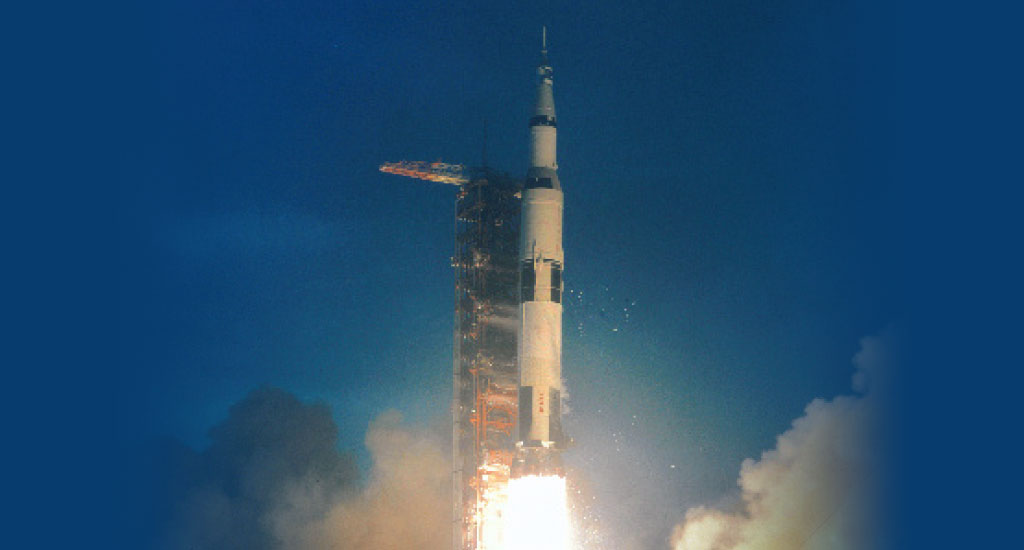
In 1965, Hamilton Precision Metals played a critical but often unheralded role in the success of the Apollo space program by engineering
ultra-thin Permalloy® foil. This specialty alloy material was engineered for use in the magnetic computer cores that formed the heart of the Apollo guidance systems and enabled one of the most ambitious engineering programs in space history.
Rope Memory and the Apollo Guidance Computer
Many of the contributions behind Apollo remain undocumented, and few people today remember the scale of collaboration required. The design of the
“Rope Memory”, which was central to the Apollo command and module control systems, originated at Massachusetts Institute of Technology (MIT). From there, the design moved into production, ultimately becoming a cornerstone of the Apollo Guidance Computer.
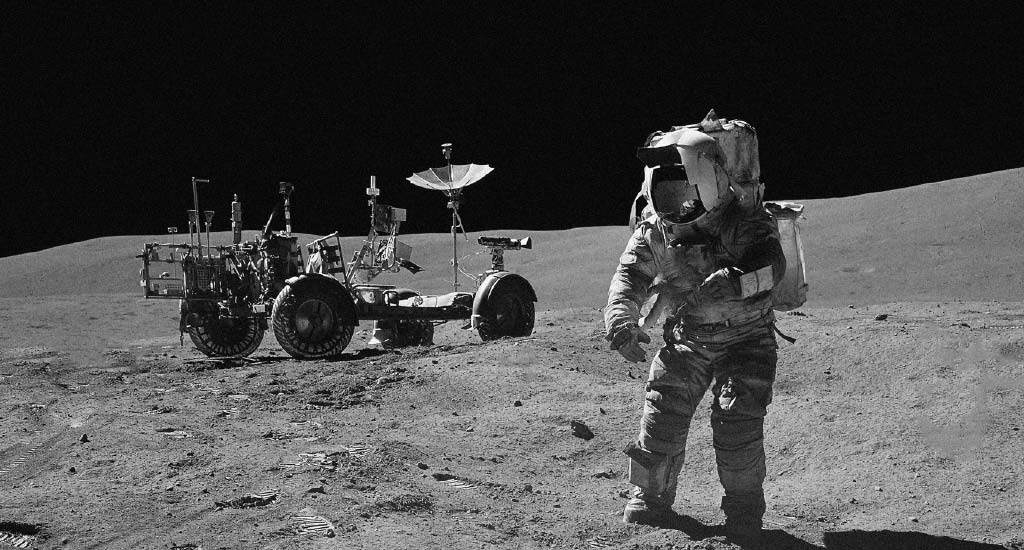
Ultra-Thin Foil at the Heart of Apollo Memory Systems
Specialist suppliers produced the magnetic cores that formed the heart of the Apollo computers. These cores required a dedicated alloy melt material which was rolled into 14 mm (0.55 in) thick strip form.
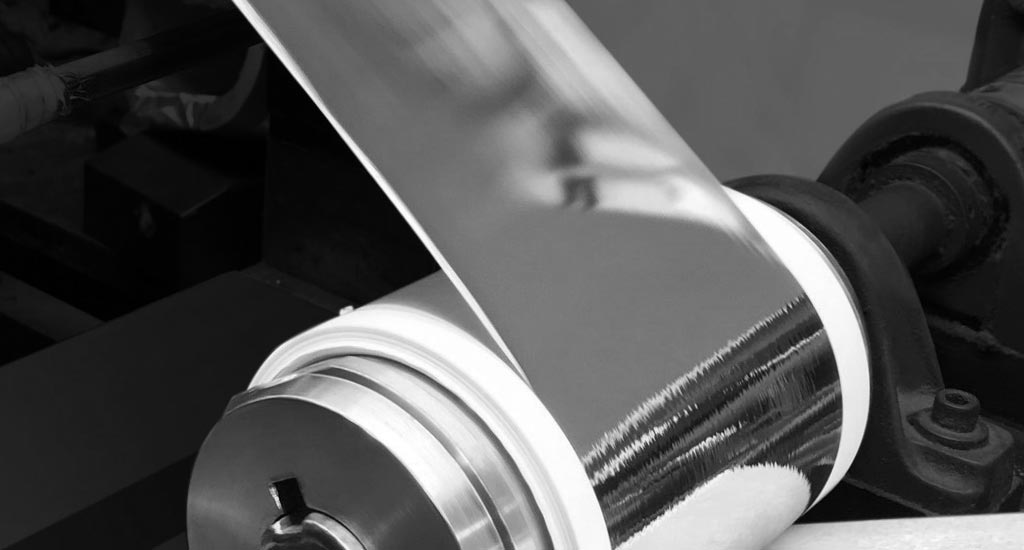
Hamilton Precision Metals then engineered this material into 1/8‑mil
Permalloy® foil, an approximately
80% nickel–iron magnetic alloy, produced to just
0.000125 inches (3.2 microns) in thickness. This ultra‑thin foil was used to manufacture the magnetic cores that stored the mission‑critical software to meet the anticipated needs of the entire Apollo program.
The foil was then slit into narrow strips, insulated with magnesium oxide (MgO), wound onto miniature stainless-steel bobbins, and carefully annealed to achieve the exact magnetic performance required for spaceflight.
Mission-Critical Computing Across Command, Lunar, and Ground Systems
Once completed, the magnetic cores were integrated into rope memory assemblies and installed into the Apollo computer modules of the rocket.
Each mission relied on three identical computer modules: one onboard the Command Module, one in the Lunar Module, and one on the ground in Houston to support Mission Control.
A Legacy of American Precision Engineering
The success of the Apollo space missions depended on absolute reliability at every level - from software and systems architecture down to the specialty materials used in individual components. The contribution of Hamilton Precision Metals, though largely unseen, was fundamental to ensuring that reliability.
These efforts helped enable America not only to reach the Moon, but to return safely - a legacy of precision engineering, metallurgical expertise, and quiet innovation that continues to inspire today.